






Nerve Plant Care
Fittonia, commonly called Nerve Plant or Mosaic Plant, is prized for its vividly veined leaves in shades of white, pink, or red.
Compact and eye-catching, it’s often used as a tabletop or terrarium plant.
With steady moisture and humidity, it makes a stunning indoor accent.

Light
Prefers bright, indirect light. Tolerates lower light, but growth may slow. Direct sunlight can scorch the leaves.

Watering
Keep soil consistently moist but not soggy. Water when the top inch of soil begins to dry. Never allow the soil to dry out completely.

Humidity
Prefers high humidity. Thrives in terrariums or with a humidifier. Dry air can cause wilting or leaf drop.

Temperature
Ideal range is 65–80°F (18–27°C). Avoid drafts and temperatures below 60°F.

Soil
Use a well-draining, peat-based potting mix. Soil should retain moisture without becoming waterlogged.

Fertilizing
Feed every 4–6 weeks during spring and summer. Use a balanced, diluted liquid fertilizer. No feeding needed in fall or winter.

Repotting
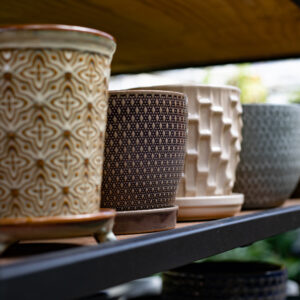
Repot every 1–2 years or when rootbound. Spring is the best time to repot.

Pruning & Cleaning
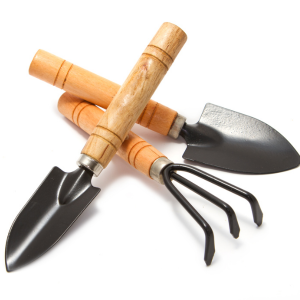
Pinch back stems to encourage bushy growth. Remove damaged or wilted leaves promptly.

Pet Safety
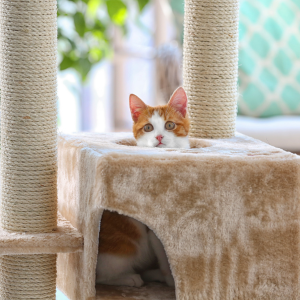
Non-toxic to cats and dogs.

Common Problems
Sudden wilting = soil too dry. Yellow leaves = overwatering or poor drainage. Leaf drop = low humidity or temperature stress.

Common Pests
Watch out for aphids, spider mites, and mealybugs.

Fun Fact
Fittonia is famous for being dramatic—it may wilt quickly when dry, but usually perks back up soon after watering.
